


Marija Petrovska
GEM-DIAMOND doctoral fellow
ESR 12 – Contesting European border regimes: challenging and remaking EU migration governance
Researching the control and securitization of borders
Host Institutions



Delineating the roles of non-state actors in building legitimacy for and implementing
a transnational border surveillance apparatus in the Balkans
Supervisors
- Marieke De Goede
- Julien Jeandesboz
Research abstract
Drawing on qualitative research conducted across multiple countries, including extensive fieldwork, interviews, participant observation, and document analysis, the dissertation investigates how migration governance is enacted in practice and how expertise, knowledge, and policy circulate across different institutional settings. Rather than treating migration governance as the product of individual organisations or states, the research examines the interactions, collaborations, and forms of coordination that underpin EU migration governance.
Research Question(s)
Through what practices, relationships, and forms of expertise is migration governance produced across institutional and national boundaries?
What role do technological interventions play in the governance of migration and borders?
Social Relevance of your Research
By examining how migration governance is organised and implemented in the Western Balkans, this research contributes to greater transparency and understanding of the actors, practices, and forms of cooperation involved in contemporary border governance. The findings are relevant to policymakers, international organisations, civil society organisations, and researchers seeking to better understand the governance of migration, the growing use of border technologies, and the broader implications of transnational cooperation for accountability, policy implementation, and the protection of fundamental rights.
Prior to this doctorate, I completed a Master's degree in Journalism at Monash University, in which I received the Faculty of Arts award for the highest academic achievement in the cohort. My MA thesis: ‘Exploring the Evolving Relationship Between Aid Organizations and the Elite Press in the Context of Migration Reporting’, interrogated the central role aid organizations play as news sources and their capacity to define critical issues of mobility and migration.
Böckmann, L., Petrovska, M, De Lange, S, & Bialasiewicz, L. (2024). The right to (not) appear: A conversation on institutional obligations and ethics of care in researching illiberalism. Journal of Illiberalism Studies, 4(1). https://www.illiberalism.org/the-right-to-not-appear-a-conversation-on-institutional-obligations-and-ethics-of-care-in-researching-illiberalism/
Petrovska, M. Forthcoming. ‘I am deeply sceptical about what democracy, especially
liberal democracy, has turned into’. Interview with Nidžara Ahmetašević in Coman, R. and Ponjaert, F. Dissensus over Liberal Democracy: Key Conversations with Leading Voices. Springer.
Petrovska, M and Pallister-Wilkins, P, Forthcoming. Eurocentrism. In Coman, R., Paternotte, D. and Ponjaert, F. (eds) Impact and Social Sciences: A Conceptual Index.
Teaching
Beyond the Borders of Europe: Diaspora and Migration, European Studies, the University of Amsterdam
-
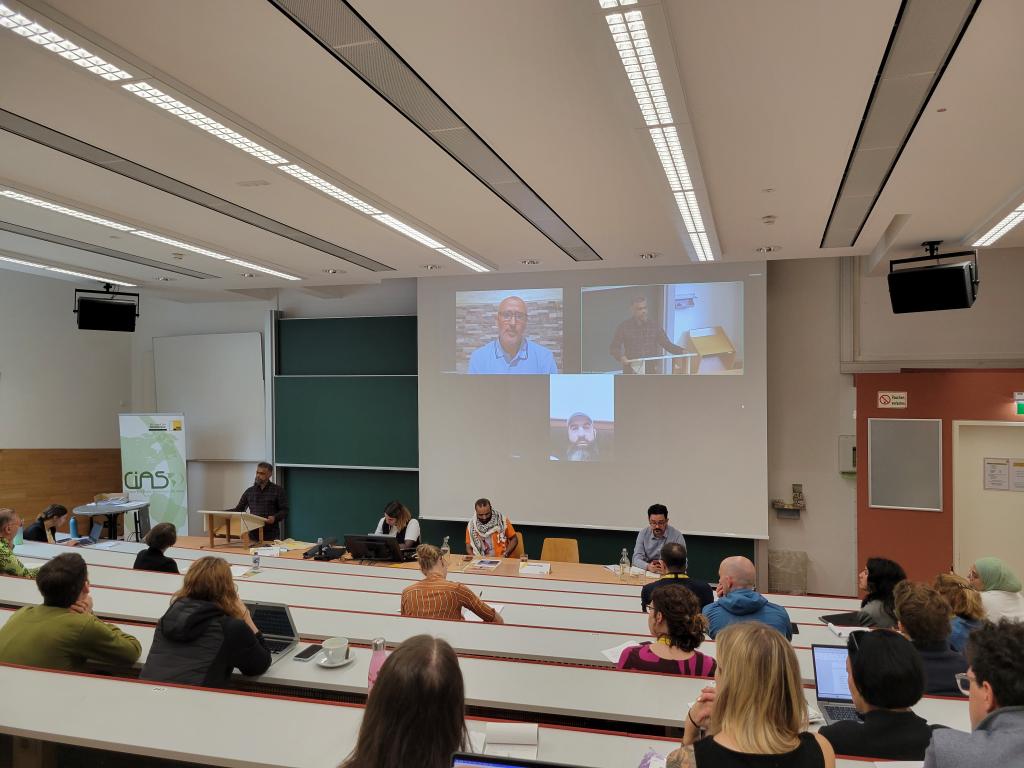
Reflections from the 2nd Graz/Puerto Rico International Conference on Human Rights: Camps, Carceral Imaginaries, and Critical Interventions
10 October 2024
A Fellow's impressions of the 2nd Graz/Puerto Rico International Conference on Human Rights from an Inter-American Perspective
-
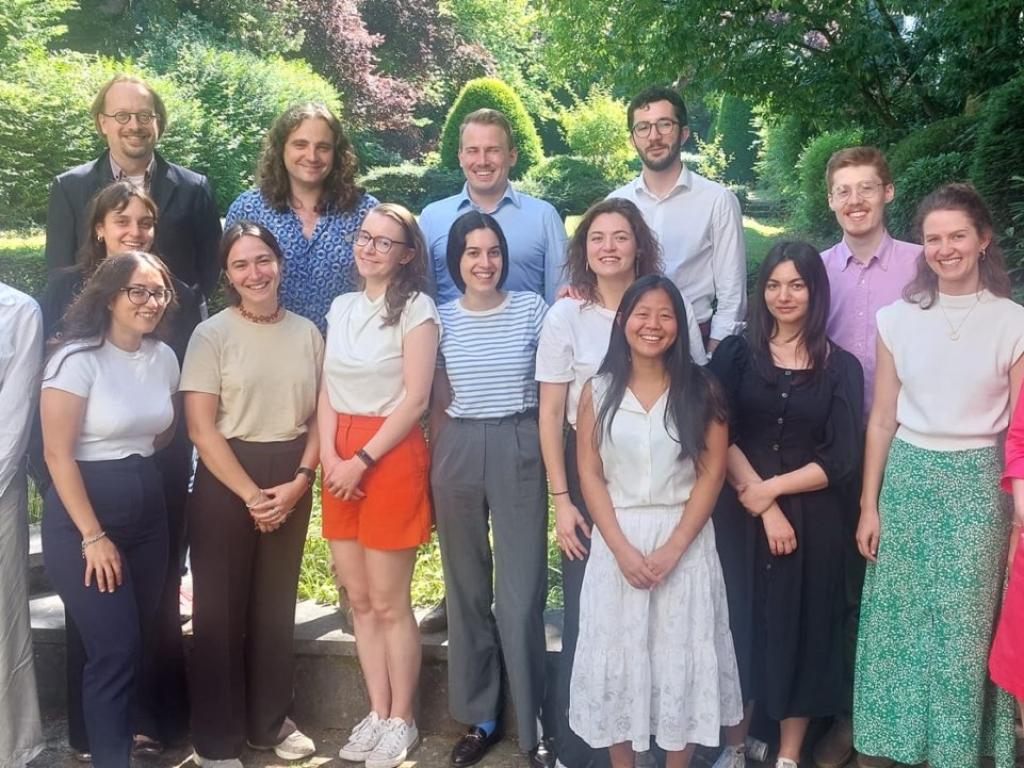
The GEM-DIAMOND 2024 Summer School
17 July 2024
Some personal impressions following the 2024 Summer School, a 2-day workshop focussed on the project's forthcoming textbook, on "Impact & Social Sciences"
-

The Right to (Not) Appear: A Conversation on Institutional Obligations and Ethics of Care in Researching Illiberalism
16 May 2024
GEM-DIAMOND fellows & supervisors jointly discuss institutional obligations and ethics of care in researching Illiberalism.
-

Navigating the Ethics Application Process as a PhD Fellow
1 November 2023
An introduction and guide for to any PhD or Masters students on the process of obtaining ethics approval for their research
-
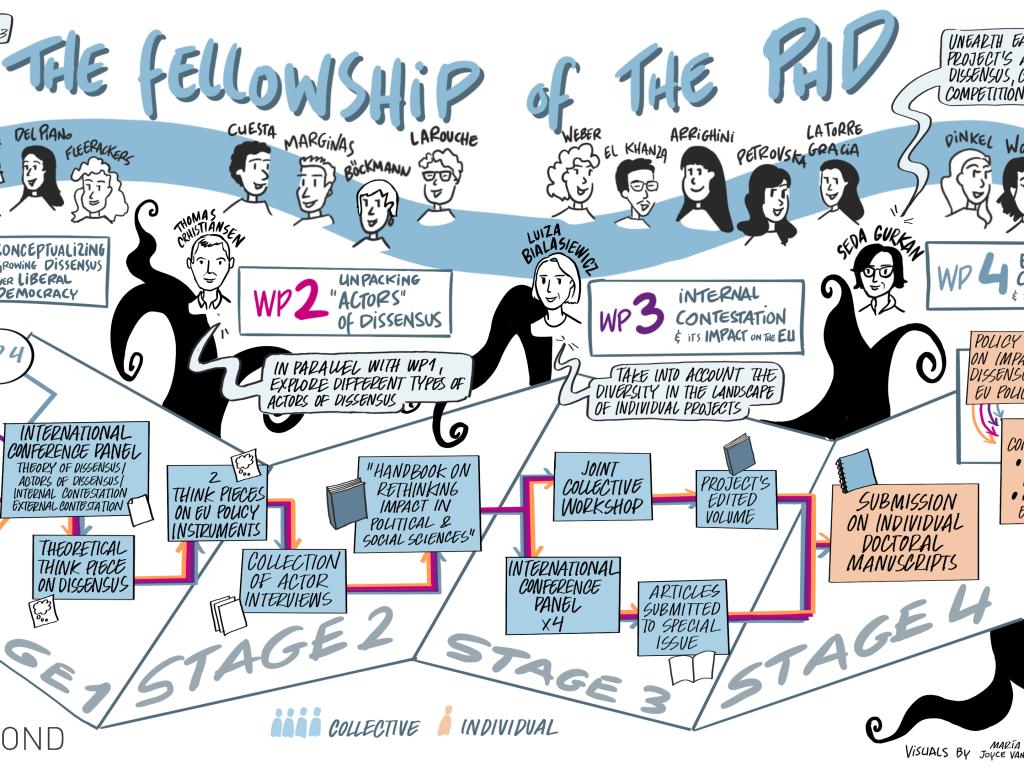
Birth of the GEM-DIAMOND Fellowship of the Ph.D.
1 October 2022
16 MSCA Fellows successfully selected following a gruelling selection process.